
Oil Stains, Rust, and Tire Marks: What Driveway Washing in Palos Verdes, CA Can (and Can’t) Fix
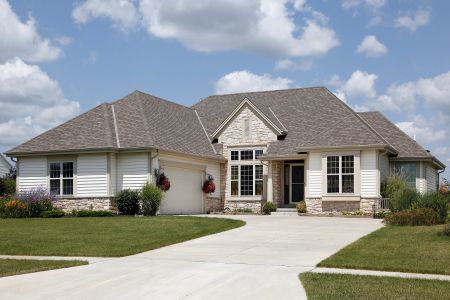
Driveways around the Sand Section, Tree Section, Hill Section, El Porto, and Manhattan Village take a beating from beach traffic, surf gear, SUVs, and salty coastal air. If you want a clean, bright surface without damage, it helps to know what professional cleaning can realistically remove. This guide explains the results to expect when you choose professional driveway washing with a local team that understands our coastal climate.
For a full look at services across your property, you can also explore house washing to refresh siding before summer gatherings and home photos. If you are comparing providers or planning a spruce-up before listing, start with driveway washing in Palos Verdes, CA from Property Wash.com LLC for a clean, consistent curb appeal.
What Driveway Washing Usually Removes In Palos Verdes
Most homeowners call after noticing dark blotches, brown-orange streaks, or gray-black arcs. With the right methods, many of these issues can be cleaned to a like-new look or a very close match.
- Surface oil drips and light transmission fluid spots that have not soaked deep
- Tire scuffs and light rubber tracking from turning in place
- General grime, beach sand build-up, and soot from coastal traffic
- Mildew and algae in shaded driveways and north-facing carports
- Fertilizer rust haze and orange sprinkler overspray on the top surface
Results vary by age of the stain, driveway material, and whether the surface was previously sealed. In many Tree Section homes with older concrete, a faint “memory” of heavy staining can remain even after a thorough professional cleaning.
The Tough Stuff: What Washing Cannot Fully Fix
Some marks are not dirt on top of the surface but a change inside the surface itself. Washing can improve the look, yet total removal may not be possible without repairs or specialty treatments.
- Deep oil that has wicked below the surface or into porous, unsealed concrete
- Battery acid burns and fertilizer burns that have etched the cement paste
- Heavy rust that has migrated from metal edging, rebar exposure, or irrigation hardware
- Tire heat burns on newer, light-colored concrete after hot summer days
- Paint or wood stain that has penetrated, especially on textured or stamped finishes
If the concrete itself has changed color or texture, washing alone cannot reverse that change. In those cases, specialty spot treatments or surface repairs may be discussed after cleaning.
Oil Stains: What’s Realistic On Concrete And Pavers
Oil is the most common driveway headache in Hermosa, Redondo, and Palos Verdes. On plain concrete, fresh drips that sit on top are the easiest wins. On older slabs or pavers with wide pores, oil can sink in quickly.
Professional cleaning focuses on loosening the top contamination and lifting as much as possible. Set-in oil often improves from dark black to a light gray “shadow.” Expect a noticeable upgrade, not always a perfect match to brand-new concrete.
Paver driveways around El Porto and Manhattan Village respond differently. Because pavers have joints and sometimes polymeric sand, pros adjust pressure and water volume to protect the joints while targeting the stain. Oil that tracked along joints may leave a faint outline after cleaning, especially on light pavers.
Rust Stains: Causes And Realistic Results
Rust usually appears as orange-brown streaks or halos under hose spigots, sprinkler heads, metal planters, or exposed rebar near cracks. Along the coast, sea air and moisture can speed up oxidation on nearby hardware, then drips transfer rust to the driveway.
Many orange surface films come off well during a professional wash and spot treatment. When rust has migrated into the cement paste or paver body, complete removal may not be possible without specialized chemistry beyond standard washing. Severe rust can leave a pale “ghost” even after an expert clean.
Tire Marks: Heat, Rubber, And Reality
Black arcs happen when vehicles turn tightly in place or when hot tires meet cooler concrete near sundown. The rubber softens, transfers, and bonds to the top layer. Newer concrete and light-colored broom finishes show this the most.
Expect strong improvement on most tire scuffs after a quality wash. On heat-bonded rubber, some light shading can remain. Many homeowners in the Hill Section choose a sealing plan after cleaning to slow down future marking.
Material Matters: Concrete, Pavers, And Stamped Surfaces
Every surface needs a different touch. In the Sand Section, we see a lot of classic broom-finish concrete. Around Manhattan Village, pavers and decorative stamped patterns are common. Each reacts to water volume, pressure, and heat in its own way.
Well-trained crews match the method to the surface so you get a cleaner driveway without scarring. Avoid harsh acids on decorative concrete or soft pavers, since they can dull color and texture permanently. A careful process protects joints, coatings, and finishes while lifting the grime that actually can be removed.
Local Factors In Palos Verdes That Change Outcomes
Our marine layer, cool mornings, and sunny afternoons create wide temperature swings. That can lock in rubber transfers or cause light moisture-related spotting. In shaded Tree Section lots with heavy canopies, mildew grows in small dots that need the right approach to avoid discoloration.
Wind brings fine grit from construction sites on Rosecrans and along Aviation. That dust mixes with oil, which makes stains stickier. Homes just off Highland or Sepulveda often see more soot, so the driveway darkens faster between cleanings.
Neighbors with frequent surf sessions sometimes drip wax, sunscreen, and road grime. These show more on modern, lighter concrete and permeable pavers. A tailored cleaning plan for your block and shade pattern gets the most even result.
What Affects Your Project Estimate
If you are researching pressure wash driveway cost, it helps to think in terms of the work involved rather than a one-size number. Estimates vary by material, square footage, ease of access, stain density, and whether spot treatments or sealing are added.
Here are common factors pros consider when building a fair, local estimate:
- Driveway material and finish: broom-finish concrete, pavers, or stamped surfaces
- Age and porosity of the surface, plus any existing sealer
- Type and severity of staining: oil, rust, tire marks, mildew, or paint
- Vehicles and traffic patterns that keep bringing new contamination
- Water access and nearby landscaping that may need extra protection
After an on-site look, your estimator can explain the expected improvement for each stain type and outline the steps to get there. That way, you know what “clean” will mean for your driveway before work begins.
Why Choose A Local Pressure Washing Pro
Palos Verdes properties are close to the ocean, and details matter. A local crew understands how salt, morning fog, and afternoon sun change cleaning choices hour by hour. That knowledge helps avoid streaks, wand marks, or dulling, especially on pavers and stamped finishes.
With Property Wash.com LLC, you get a team that matches the method to your surface and stain. We also provide guidance on timing around coastal weather, neighborhood parking, and weekend schedules so your project is smooth from start to finish.
Setting Expectations: “Like-New” Versus “Much Better”
Every driveway has a history. Some stains sit on top and lift right away. Others have soaked in or etched the surface. An honest plan tells you which areas should look like-new and which will be “much better” with a light shadow that only you will notice up close.
Sealing after cleaning can make the biggest difference long term. It slows down oil absorption and makes tire scuffs easier to remove on your next maintenance visit.
Aftercare And Prevention Without The Headaches
Your driveway works hard every day. Simple choices can lower new stains between professional visits without risking damage. Park in gentle turns, avoid spinning the wheel when stationary, and move steel planters off bare concrete or place them on risers.
Scheduling seasonal maintenance keeps things from building up. Homeowners who host summer gatherings or who live near busy corners often benefit from a lighter mid-year refresh to keep curb appeal sharp for showings or appraisals.
When Washing Meets Its Limit: What’s Next
If a spot does not fully clear after a careful wash, your technician may recommend specialty treatments or minor surface repairs. Examples include addressing etched areas, adding color-matched tints on decorative work, or planning a targeted sealer program.
Those steps are considered case by case so you get the best return for your time. The goal is a driveway that looks clean and cohesive from the curb, not a patchwork of over-treated areas.
See The Difference On Your Block
Whether you are near Live Oak Park or a few streets from The Strand, a clean driveway lifts the whole home. To understand the results you can expect on your surface and stains, start with an assessment and a clear, written plan.
Take a closer look at methods and surfaces we service with our page on professional driveway washing, then compare before you book. If your siding also needs a refresh before open-house photos, it is easy to pair it with house washing for a consistent finish across the front of your home.
Ready For A Cleaner Driveway?
Get honest expectations, careful methods, and local timing from Property Wash.com LLC. To talk through your stains and schedule, call 310-283-9603 or start your request online. When you are ready, book your spot through our page on professional driveway washing and we will take it from there.